


We reviewed Viewfinder 3 years ago on the PS5 and rated the memorable first-person puzzle game very highly. Viewfinder joins a genre that includes titles such as Myst, Pneuma, Q.U.B.E. 1 & 2, The Witness, What Remains of Edith Finch, and the classic Portal games.
In Viewfinder Jessie is running a simulation in which you are the playable character. She keeps in touch via a telephone link as you explore the virtual world to discover what's gone wrong–your job being to fix it and find a way out. This involves using teleporters as a method of getting from one area to another, and each one needs to be powered up by connecting it to one or more batteries. As you progress the backstory introduces more "help" from other researchers involved in the simulation, and a character called Cait who has a kind-of holographic cat as his avatar!
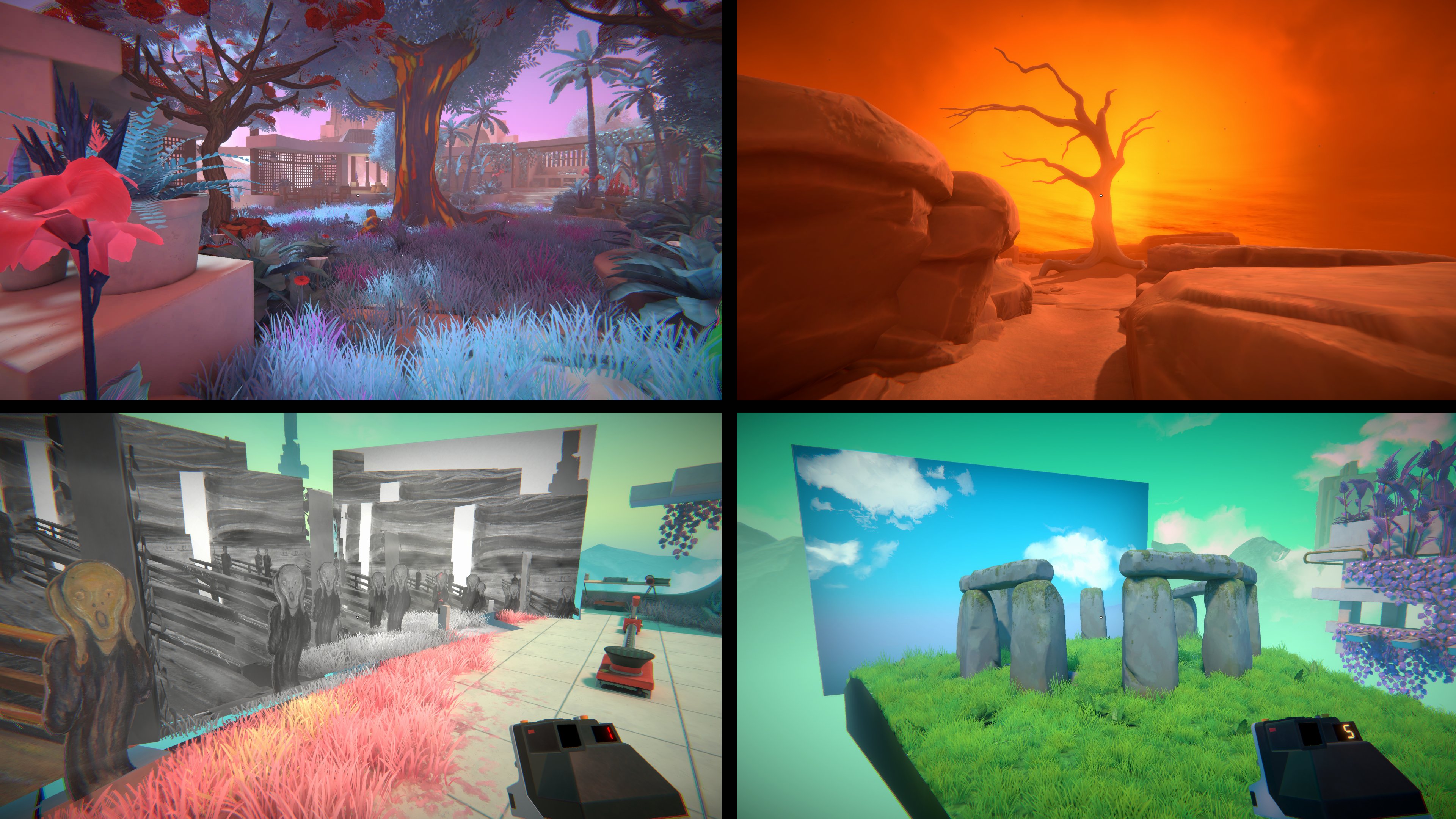
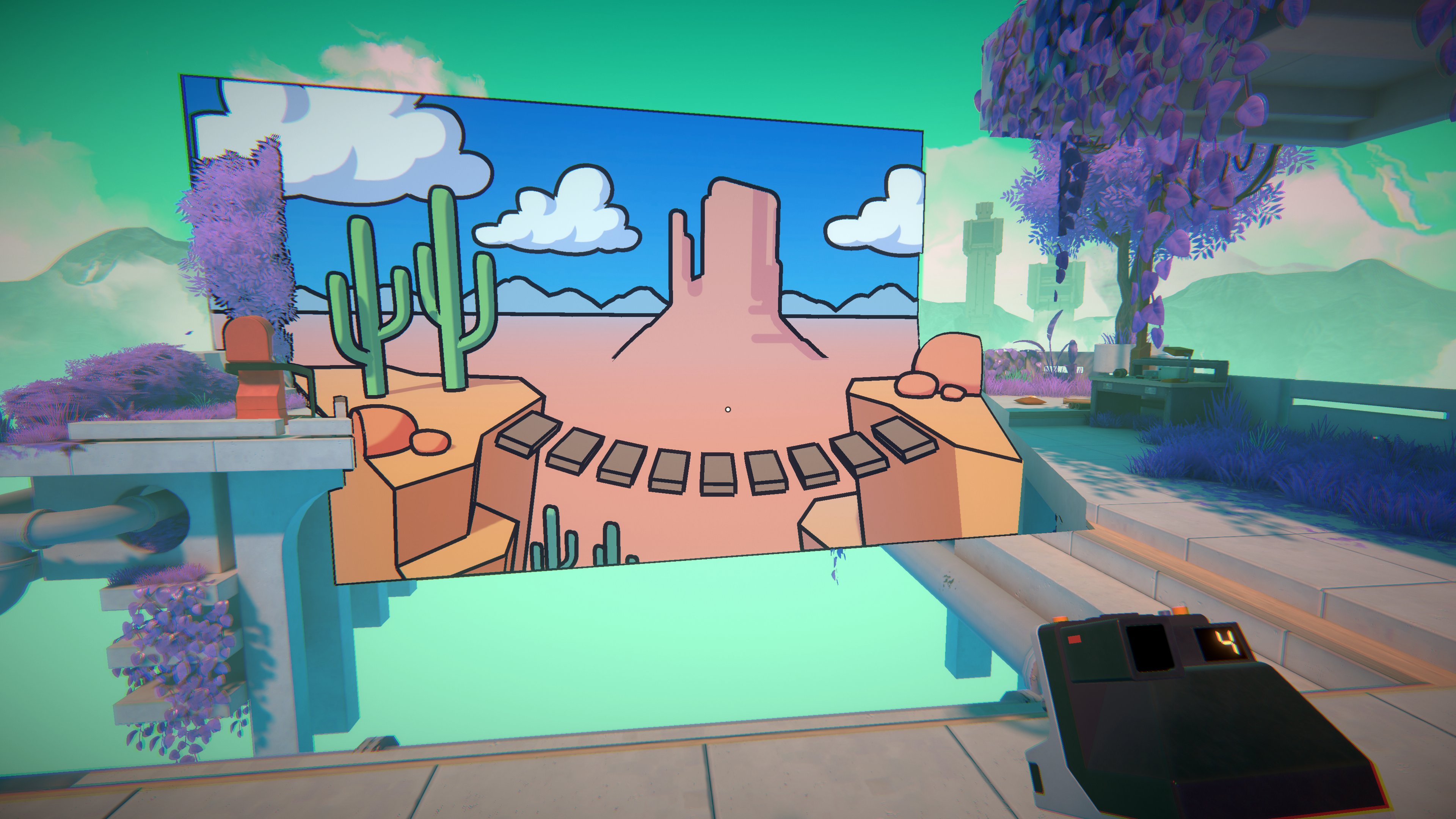
When you find pictures within the sim, you can project them onto your "world" to open a new path in another virtual dimension. Think: "you either take a photo or find a postcard, painting or drawing and that picture can then become part of your new reality" and you'll be beginning to grasp the heady concept. The possibilities this opens up for a puzzle game are of course, endless–and mind-bending.
Naturally it's not quite as simple as you might think, and if the picture is overlaid incorrectly you can break the teleporter and will have to rewind your reality and try something else. Using a virtual camera's viewfinder you can position, manipulate and even rotate images to allow you to traverse to previously unreachable or non-existent areas. Some images may be on walls or split, so you have to position yourself (or your 'viewfinder') just right so that the image makes sense and opens up a new path. Later you will discover a camera that looks remarkably like a Polaroid 1000 (like one that we had about 50 years ago), and this allows you to take multiple pictures and rotate and flick between them with the D-pad.
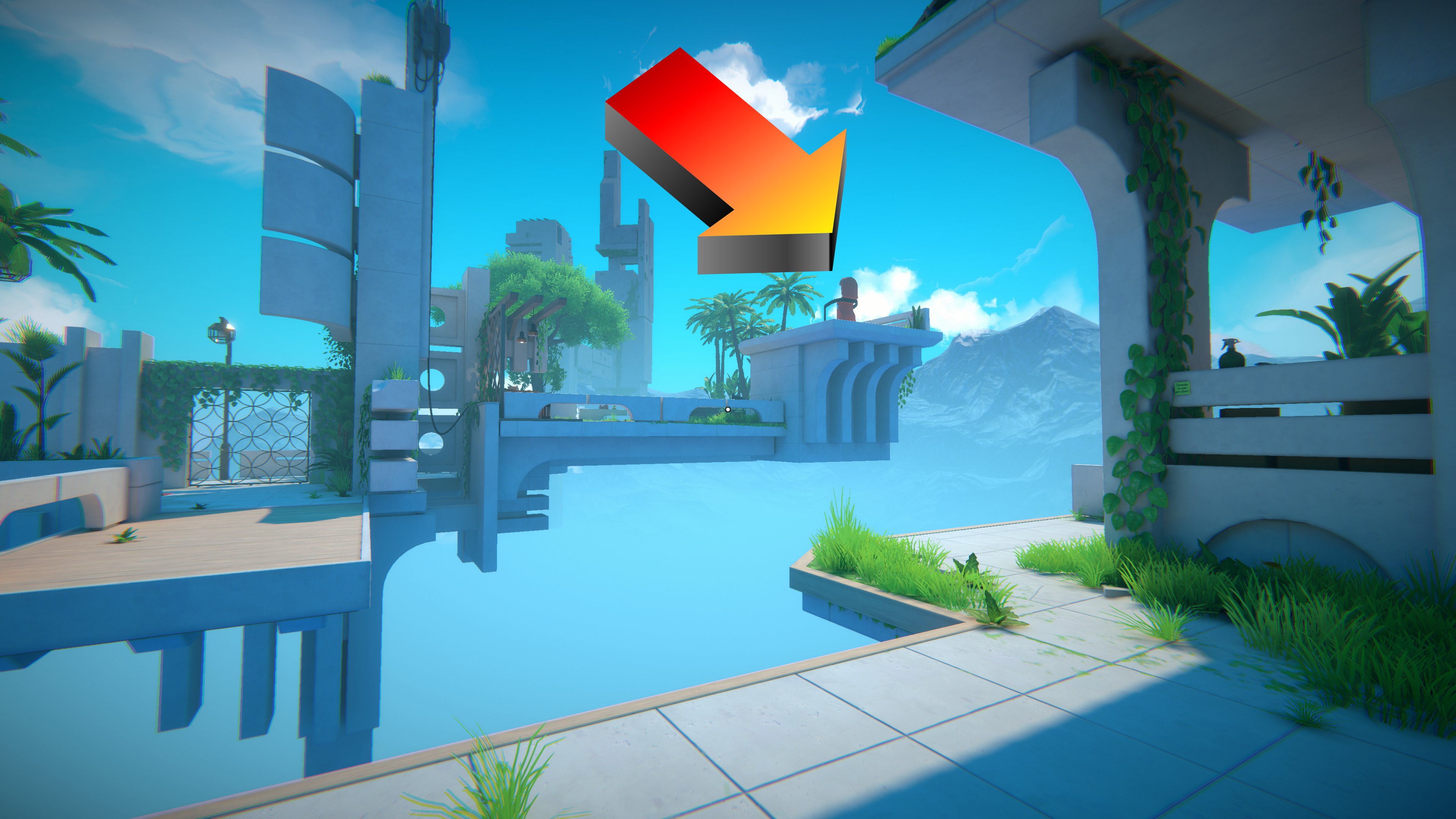
Apart from the puzzles, there's lots of sitting. Not sure why they made it possible to sit here, there, and everywhere in the game but you can. Perhaps it's easier to scratch your head at some of the trickier puzzles if you're sat, sitting. Viewfinder is, in the main, a very "chill" game, and only a few puzzles require speed of movement or thought (including a testing final level that requires that you use all of the tricks you've learned throughout the game.)
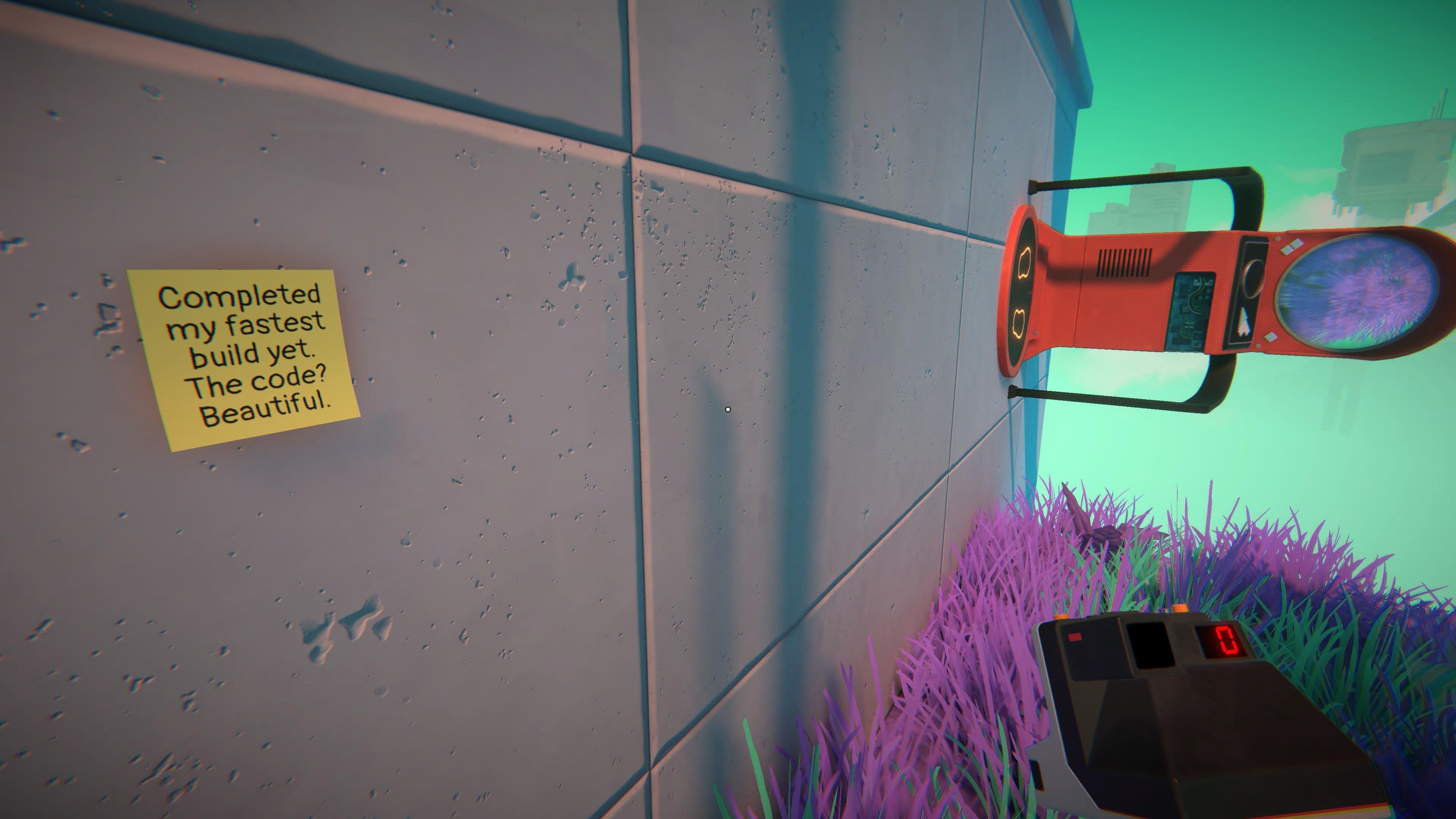
Other than all of the places to sit, everyday objects aren't particularly interactive, apart from a few pictures, postcards, notes and collectables–so it's not one of those games that makes you search every nook and cranny and open every cupboard door or drawer. Having said that, the fantastical locations are linked by hub levels that actually look like the staff lived there, and the developer's (Sad Owl Studios) obsession with Jammy Dodgers, Rubik's cubes, plush mice and Scotch eggs becomes apparent, as you see them all over the place!
The puzzles bend reality and even break the simulation at times. Practically all of the puzzles will make you think, some force you to "think outside the box"–both figuratively and literally at times. While the game's concept does have "rules," the designers do alter them slightly as you progress, introducing new materials that behave differently when photographed by you.
When the puzzles begin to add sound transference and being able to photograph yourself into the equation, you really do wonder where the game might end up, and just how far the possibilities go...
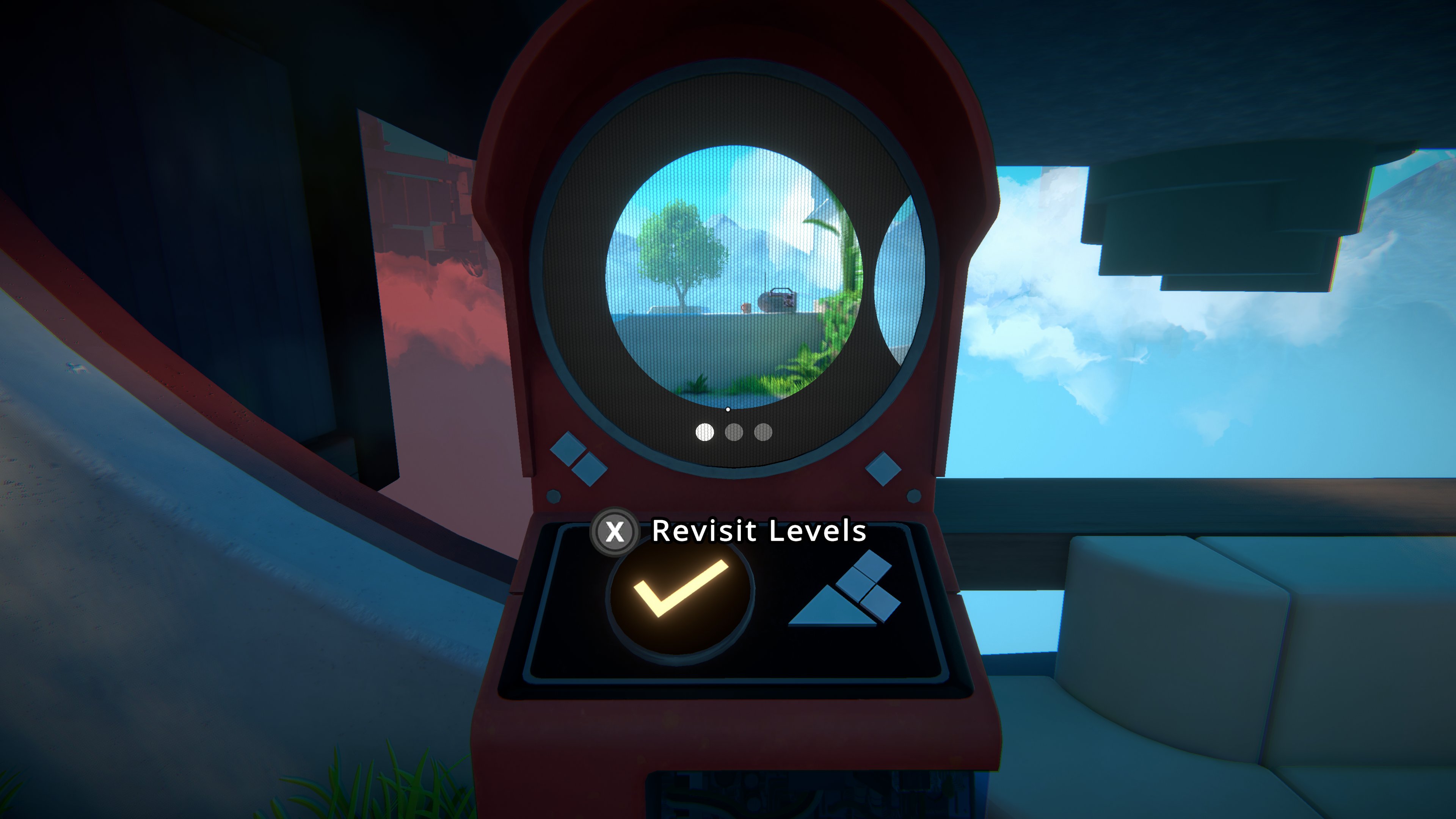
The game seems flawless other than an insignificant little annoyance like Cait being able to talk over speech from other characters–so you can't understand either.
Viewfinder is visually smooth and slippery as a greasy weasel, without doing anything amazing graphics-wise, like all the best puzzle adventures it's all about the ever-evolving game mechanic.
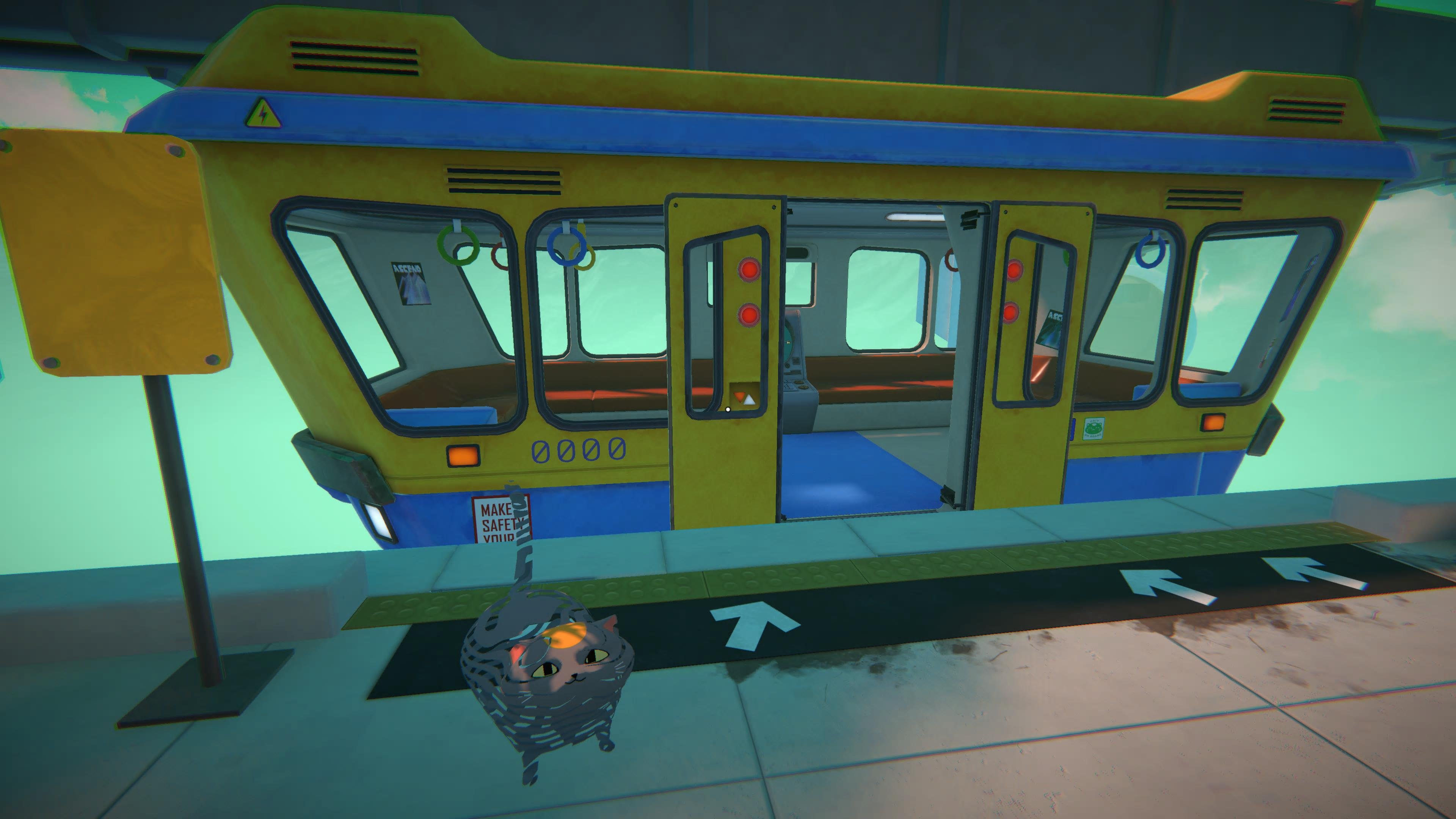
Viewfinder is priced at £19.99 and it took me somewhere between 4–6 hours to complete this masterpiece of twisted genius, but I'd already played it through on PS5 and dabbled with the equally brilliant Nintendo Switch 2 version. Viewfinder's memory/rewind system may not be unique, but it does make for an incredibly playable puzzle game that encourages and rewards experimentation. 3 years on and many Viewfinder puzzles stayed in my memory–play it and you'll see why.
Many thanks to Sad Owl Studios, Thunderful and Plan of Attack